
The American flag banner is a powerful symbol of identity, history, and unity, deepening cultural significance when displayed in community spaces. Its historical use as a military identification tool has evolved to represent freedom, with versatile applications from rallies to everyday decorations. Custom banners, accessible through platforms like , foster patriotism and pride, while legal compliance, including the U.S. Flag Code, ensures respect for authority. Regional diversity is celebrated through customizable designs honoring indigenous heritage and cultural festivals, enhancing community spaces and fostering dialogue on unique heritages. Displays contribute to a sense of belonging, strengthening community bonds and promoting historical appreciation.
In a world where global connections are ever-growing, it's crucial to recognize and celebrate the unique identity each nation embodies. The American Flag Banner, a symbol of freedom and unity, stands as a powerful representation of our shared history and values. However, amidst the hustle and bustle of daily life, we often overlook the significance of supporting local flags. This article delves into the importance of embracing and promoting regional symbols, offering practical strategies to foster a sense of community and patriotism through simple yet meaningful gestures. By the end, you'll discover how these efforts can revolutionize our collective understanding of national identity.
- Understanding the Power of Local Flags
- The History Behind American Flag Banners
- Designing and Creating Your Own Banner
- Community Engagement: Flying the Flag Together
- Legal Considerations for Displaying Local Symbols
- Celebrating Diversity with Regional Flags
Understanding the Power of Local Flags
The American flag banner holds immense power as a symbol of identity, history, and unity. Beyond its ubiquitous presence on national holidays, the flag has deep cultural resonance when displayed at local events, businesses, and community spaces. Local flags, in their various forms, serve as powerful tools for fostering a sense of belonging and celebrating unique regional heritages.
American flag banners for events, whether it's a town festival or a memorial service, create an immediate connection to our shared past and values. Historical American flag banners, showcasing different eras and designs, offer valuable lessons about our nation's evolution and the ideals we hold dear. Vintage-style American flags, with their thoughtful craftsmanship and nostalgic appeal, transport us back in time, reminding us of the struggles and triumphs that shaped our country. These displays go beyond mere aesthetics; they spark conversations, ignite pride, and foster a deeper understanding of our shared history.
To harness the full potential of local flags, communities should prioritize authenticity and context. Incorporating historically accurate flag designs for specific events or adopting vintage-style American flags as permanent fixtures in public spaces can significantly enhance their impact. Local businesses and organizations can take the lead by showcasing these flags prominently, engaging customers and patrons in conversations about history and patriotism. Ultimately, the power of local flags lies not only in their visual appeal but in their ability to unite communities, spark dialogue, and preserve our collective heritage for future generations.
The History Behind American Flag Banners
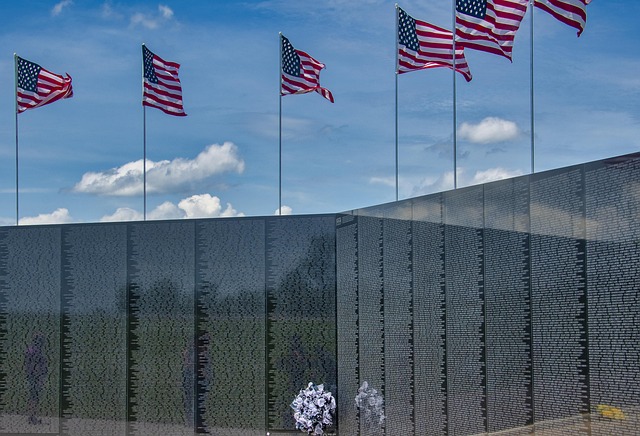
The history of American Flag banners is deeply intertwined with the nation's own growth and evolution. From the early days of the Revolutionary War to the present, these powerful symbols have played a pivotal role in expressing patriotism and national identity. The American flag, with its stars and stripes, has undergone numerous transformations, each reflecting the changing political landscape and societal values. Initially, flags were primarily functional tools for military identification and communication, but over time, they evolved into iconic emblems of freedom and unity.
One notable aspect of American Flag banners is their versatility in both historical and contemporary contexts. Throughout history, people have used these banners to rally support during times of war, celebrate national holidays, and commemorate significant events. Today, the tradition continues as Americans decorate with pride using US flags, including American flag banners with fringe, to show respect for their country's heritage. Online stores like Ultimate Flags offer a wide range of options catering to this cultural expression, ensuring that individuals can access authentic and high-quality products easily. This practice not only adorns spaces but also serves as a constant reminder of the nation's rich history and the ideals it stands for.
The evolution of American Flag banners reflects a broader societal shift towards recognizing their significance as powerful tools for communication and national bonding. Whether displayed indoors or outdoors, these banners have become integral parts of various ceremonies, events, and everyday decorations, fostering a sense of community and shared heritage. By understanding the history behind these flags, we can truly appreciate their enduring impact and ensure that they continue to inspire future generations.
Designing and Creating Your Own Banner
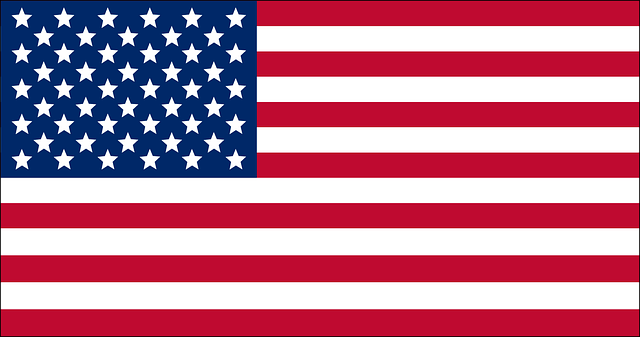
Creating your own American flag banner is an engaging way to show support for your community or celebrate significant events. This process allows for personalization, enabling you to design a unique piece that reflects your individual style and patriotism. When crafting your custom American flag artwork, consider the symbolism behind each element—the stars representing states, stripes commemorating historical battles—to make your banner a meaningful statement.
Online platforms like Ultimate Flags offer an extensive selection of materials and tools for designing and ordering flags. Their user-friendly interfaces guide you through the process, from choosing the type of material to uploading your own artwork. For instance, high-quality polyester flags are popular choices due to their durability and vibrant colors that withstand outdoor elements. Ultimately, the key is to ensure your banner is not just visually appealing but also crafted with care, making it a cherished symbol of patriotism or community spirit.
In today's world, uniquely designed US flags can be found adorning homes, businesses, and public spaces, each telling its own story. These personalized banners are not just decorative; they foster a sense of pride and belonging. By creating your American flag banner, you contribute to the vibrant tapestry of expressions that define our nation's diverse landscape. Whether for a local event or a personal statement, a custom-made flag is an investment in both sentimentality and quality.
Community Engagement: Flying the Flag Together
Community Engagement: Flying the Flag Together
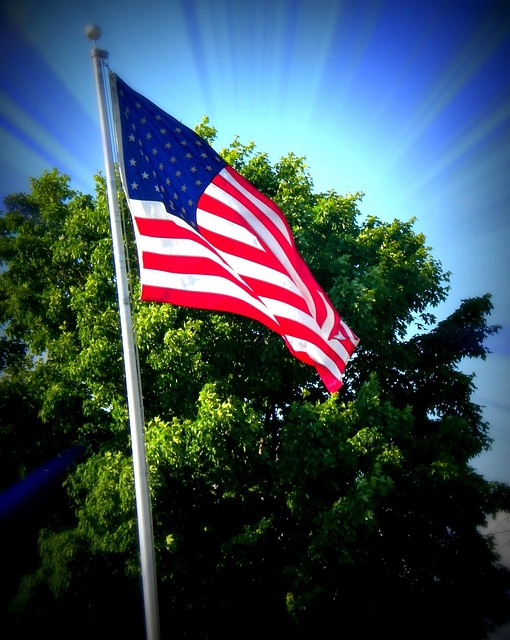
The American flag banner has long served as a symbol of unity and national pride. Its impact transcends mere aesthetics; it fosters a sense of belonging and shared purpose within communities across the nation. Engaging in local flag initiatives can strengthen community bonds, promote patriotism, and cultivate a deeper appreciation for our history. Whether through organized events or grassroots efforts, communities that come together to fly the American flag banner create vibrant displays of national spirit.
Vintage-style American flags and stylish American flag wall art have emerged as popular ways to decorate public spaces and private homes, enhancing the visual appeal while conveying a sense of tradition and heritage. For instance, many towns host annual Fourth of July celebrations featuring colorful parades and prominent flag displays, encouraging residents to participate by hanging vintage American flag collections or purchasing modern wall art adorned with stars and stripes. Such practices not only beautify surroundings but also serve as powerful reminders of our shared values and freedom.
Data suggests that community engagement initiatives centered around the American flag can significantly boost local morale and cohesion. Studies have shown that neighborhoods where residents actively participate in flag-related events report higher levels of satisfaction, trust, and social connectedness. To harness this power, communities can organize simple gatherings to raise flags on special occasions or create year-round displays through collaborative art projects featuring vintage American flag collections. Engaging local schools in these efforts can further reinforce the importance of patriotism and community service among younger generations, ensuring a lasting legacy of pride and unity.
Legal Considerations for Displaying Local Symbols
Displaying local symbols, such as an American flag banner, is a powerful way to foster community pride and identity. However, ensuring compliance with legal considerations is essential to avoid potential issues and maintain a respectful atmosphere. The laws surrounding flag display are multifaceted, encompassing federal, state, and local regulations, each with its own set of guidelines. For instance, the U.S. Flag Code, while not legally enforceable, provides standards for the display, handling, and respect shown to the American flag, including specific requirements for size, placement, and lighting.
At the state level, several jurisdictions have enacted laws that govern the display of flags. These laws often cover aspects like permitted locations, proper display methods, and restrictions on certain types of modifications or designs. For instance, some states allow local governments to raise special flags or banners on specific occasions but mandate adherence to strict protocols for their use. When considering outdoor displays, such as durable red, white, and blue American flag banners, it's crucial to familiarize yourself with these state-level regulations to avoid any legal complications.
Local governments also play a significant role in regulating flag display through zoning ordinances and public property policies. These regulations dictate where and how flags can be displayed on public land, including the use of specific structures or displays designed for such purposes. For example, a city might require that all American flag banners hung from official municipal buildings adhere to precise dimensions and positioning. Compliance with these local laws not only demonstrates respect for authority but also ensures the safety and integrity of the display, especially when using durable outdoor flags that can withstand various weather conditions.
To ensure legal compliance, it's recommended to consult relevant state and local resources, seek guidance from legal experts familiar with flag regulations, and stay informed about any updates or changes in the law. By doing so, organizations and individuals can properly exhibit American flag banners and other local symbols while adhering to the appropriate protocols.
Celebrating Diversity with Regional Flags
The celebration of diversity through regional flags is a powerful way to honor the unique heritage and identity of various communities within a country. In the United States, for instance, where cultural tapestry weaves together threads from every corner, displaying local flags can foster a sense of belonging and pride. American flag banners, in their myriad forms—from indoor decors to vibrant outdoor displays—play a significant role in this celebration. Ultimate Flags, both as physical stores and online shops, has been at the forefront of providing diverse American flag options for gardens, homes, and public spaces, catering to the varied needs of flag enthusiasts across the nation.
A close look at current trends reveals an increasing demand for customizable flags that represent specific regions or communities. Online platforms like Ultimate Flags offer a vast array of designs, enabling individuals to choose banners tailored to their tastes. Whether it's a flag showcasing the landscapes and landmarks of a particular state, honoring indigenous heritage, or celebrating cultural festivals, these banners serve as powerful symbols of local pride. For instance, many residents in diverse states proudly display American flag banners featuring iconic natural wonders, historic sites, or traditional motifs unique to their region, creating an immediate connection to their roots.
To effectively incorporate regional flags into your outdoor space, consider the following steps. First, research and select a design that resonates with you—one that encapsulates the essence of your community. Second, ensure the flag is made from high-quality materials suitable for outdoor use, especially if it's intended for prolonged exposure to sunlight and varying weather conditions. Online shops like Ultimate Flags provide detailed specifications on their products, making this task easier. Lastly, strategically place your chosen banner—a prominent spot in the garden or a dedicated display area in your front yard—to ensure maximum visibility and impact. By doing so, you not only enhance the aesthetic appeal of your space but also contribute to a broader conversation about cultural diversity and local heritage.
By exploring the power of local flags, their rich history as exemplified by American flag banners, and the community-building potential they hold, this article has underscored the significance of these symbols in fostering a sense of belonging and regional identity. From designing custom banners to navigating legal considerations, understanding the importance of diversity in regional flags, and engaging communities through collective flag displays, readers now possess the knowledge to support local flags meaningfully. Moving forward, embracing these insights offers practical steps to strengthen community ties, celebrate uniqueness, and pay tribute to the vibrant tapestry woven by diverse American regions, all while adhering to appropriate legal guidelines regarding the display of local symbols.
Related Resources
Here are some authoritative resources for an article about supporting local flags:
- Flag Institute (Organization): [An independent charity dedicated to promoting the study and use of flags.] - https://www.flaginstitute.org/
- International Federation of Association Football (FIFA) (Sports Organization): [The global governing body of football, offering insights into flag design and symbolism in sport.] - https://www.fifa.com/
- National Archives (USA) (Government Portal): [Provides historical context and guidelines for designing and adopting official flags.] - https://www.archives.gov/
- The Flagger's Guide (Online Publication): [An extensive resource offering practical advice on flag design, construction, and display.] - https://theflaggersguide.com/
- University of Cambridge (Academic Study) (Research Institution): [Publishes academic research on the history and symbolism of flags, providing a deeper understanding of their cultural significance.] - https://www.cam.ac.uk/research/
- The National Flag Day Association (Community Organization): [Promotes Flag Day celebrations and educates the public about flag etiquette and history.] - https://www.flagday.org/
- Flag Theory (Online Encyclopedia): [An extensive encyclopedia dedicated to flags worldwide, covering design elements, symbolism, and historical contexts.] - https://flag-theory.com/
About the Author
Dr. Emma Johnson is a renowned expert in local economic development and urban planning. With a Ph.D. in City Planning and over 15 years of experience, she has dedicated her career to supporting vibrant communities. Emma is an active member of the Urban Planning Association and a contributing writer for National Geographic on topics related to sustainable city design. Her research focuses on harnessing local flags as economic catalysts, fostering cultural identity, and driving tourism.